
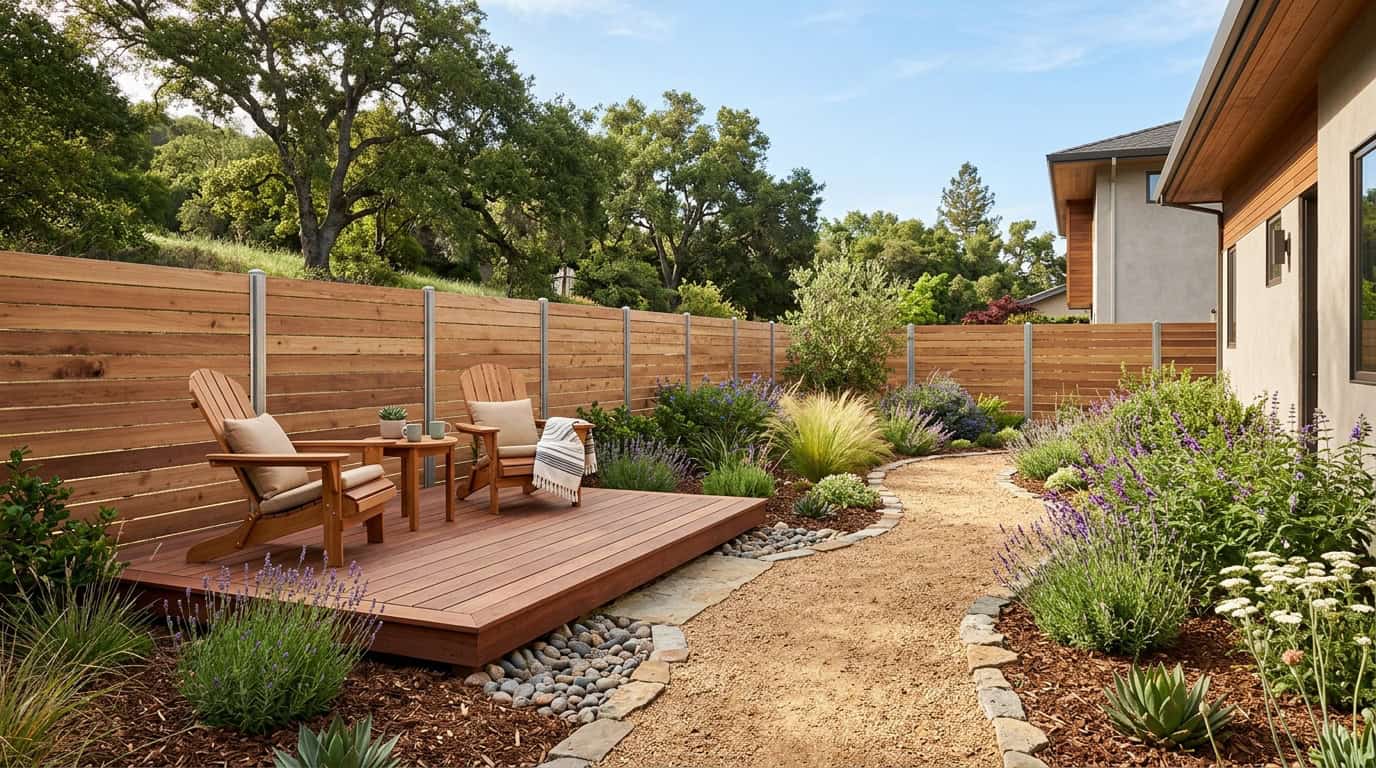
DUCE 2602A – Planning Spring Outdoor Projects…
META: Spring is one of the best times of year to implement outdoor projects or a new fence installation. Prepare for realistic project timelines and other considerations to ensure it’s completed by summertime.
Spring is the best time of year for homeowners to tackle those long-awaited outdoor projects. However, when it comes to redesigning or amending your backyard landscape, timelines matter. There is a preferred order of operations for tasks such as designing the ideal fence for your property, adding hardscape features, and planting new landscape additions.
The last weeks of winter are an ideal time to connect with licensed fence contractors and landscape professionals to begin developing your project timeline and address all of the considerations that will move the project forward more efficiently.
Planning ahead for the best time to install the new structural additions means you’ll begin enjoying your new outdoor spaces just in time for summer.
Why Spring is the Perfect Time for Outdoor Projects & Fence Installation
According to the meteorologists at weatherspark.com, our region’s weather patterns show the Bay Area receives most of its annual rainfall between October and March. However, heavier precipitation can persist through early April. Therefore, we recommend homeowners start planning for underground work early to mid-May, with the remainder of the projects rolling out from there.
There are several reasons why we recommend taking advantage of the Bay Area’s mid-spring weather when implementing the next phase of your professional fence install and other outdoor home improvement projects.
Benefits of Spring Weather for Fence Projects
Spring offers the ideal conditions for installing a fence. While soft ground is helpful, soggy ground is not. Waiting until the end of March means the ground conditions are soft but not as soggy as they would be in the rainiest months of winter. This makes it easier to dig post holes and prepare the ground for footings and other subterranean features (such as amended drainage solutions and new irrigation).
Spring also brings milder temperatures, creating a more comfortable environment for fence contractors and homeowners planning hardscape construction or a new fence installation. Favorable weather conditions enable faster project completion and allow post-installation landscaping.
Among the most rewarding parts of improving outdoor living is the installlation a new fence. Building a fence not only enhances curb appeal but also provides security, privacy, and clearly defined property lines. Careful planning is essential to ensure a smooth fence project (especially if your property is sloped or on a steep hillside), taking advantage of favorable seasonal weather and avoiding pitfalls from the rainier winter months.
Understanding the Optimal Timeline for Hard & Softscape Installation
The optimal timeline for hard and softscape installation requires understanding the steps involved. In many cases, multiple contractors will be involved. Once you’ve vetted their qualifications and selected your crew, it’s a good idea to schedule an OAC (owner-architect/designer-contractor) meeting. This gives us all a chance to review the overall plan and provide input to optimize the final outcome of your long-awaited spring project.
Starting with the initial consultation with landscape architects, fence contractors, and landscapers, homeowners should allow time for material selection, permitting, and scheduling. Mid to late spring is peak season for fence companies, so booking ahead is crucial. The complete installation can take anywhere from a few days to a week or more, depending on the fence’s size and complexity.
By booking vetted professionals early in the season, you won’t have to wait until late summer or fall to enjoy your new improvements. Also, keep in mind that spring is the best season for planting if you want to enjoy the first growth stages throughout the summer and fall. If your hardscape isn’t complete by the end of spring, fall is the next best planting season, but you won’t get to enjoy the fruits of those plantings until next year
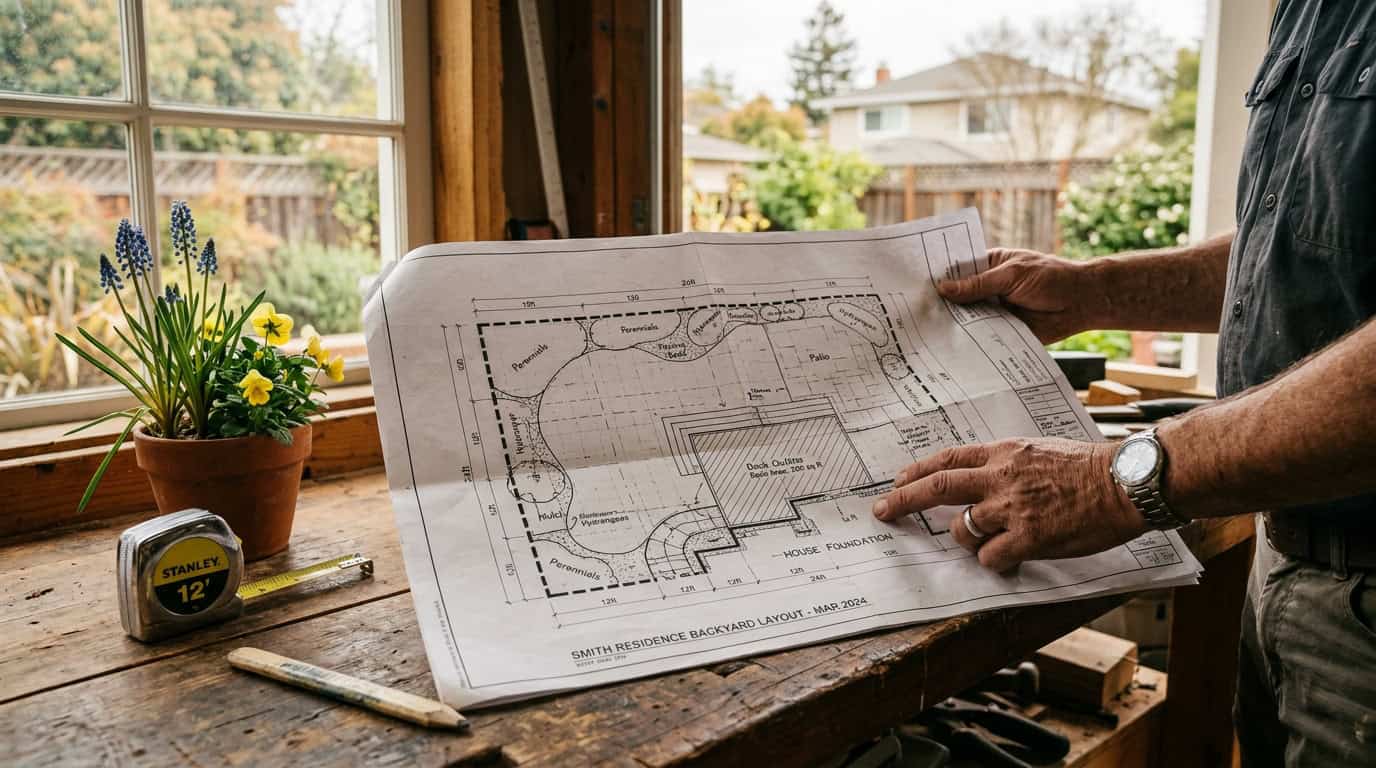
Early Planning for Your New Outdoor Space & Fence
Planning a new fence requires thinking about how other landscape projects could impact it. In most cases, while some pre-work may be done ahead of time, the fence installation process takes place after the majority of the hardscaping is complete. This provides your property with better access for heavy equipment operations, concrete trucks, and similar equipment, without risking damage to the fence.
If you are doing a complete overhaul of your outdoor living spaces, including both structural elements and new landscaping, the typical order of things is:
-
Choosing vetted, licensed professionals.
-
Creating a master plan (including an OAC meeting to get everyone on the same page).
-
Meeting with your neighbors to discuss your plans (Many homeowners find this to be the most difficult step, so begin talking to neighbors early in case you need more time to negotiate). Neighbors may have a vested interest in things like the property and fence line, their preferred fence material, or the project/installation timeline.
-
Addressing grading and drainage (This step is essential, ensuring your project doesn’t get washed away, eroded, or unnecessarily compromised by successive rainy seasons or irrigation plans).
-
Install infrastructure (lighting, irrigation, and so on).
-
Pour foundations and build hardscape structures.
-
Add vertical features. Now you’re ready to have your new fence installed, along with other vertical features like fire pits, outdoor kitchens, or pergolas.
-
Begin focusing on the softscape. Spring and fall are the right time of year for planting. Adding new trees, shrubs, and flowering plants is best done at the end of the project when there is far less risk of them being damaged, trampled, or accidentally dug up. This also gives your landscape professionals the opportunity to amend the post-construction soil conditions if necessary.
Assessing Property Lines Before Installation
Before starting any fence installation, especially a new fence installation, homeowners must accurately assess their property lines. Clearly defined boundaries help prevent disputes with neighbors and ensure the hardscape features, new trees/shrubs, and the fences installed are within legal limits. Reviewing property surveys, consulting with a surveyor, or checking local records can help establish the correct property lines. Taking this step early will avoid costly mistakes and maintain neighborly relations throughout the fence project.
Choosing the Right Fence for Your Property
Selecting the right fence for your property involves considering various factors beyond just aesthetics. Homeowners should evaluate their needs, such as privacy, security, or curb appeal.
Wood fence options offer a classic look but require regular maintenance, while vinyl fence is a low-maintenance alternative. Local regulations and neighborhood guidelines may also dictate acceptable fence styles and heights. Here in the Bay Area, where wildfire season poses annual threats, you may want to turn your attention to fire-resistant fencing for a fence installation project that supports California’s new focus on creating zone-zero protections.
Other things to consider when designing the right fence for your property include:
-
Local and HOA building codes or restrictions.
-
The need or desire for a privacy fence.
-
The safety and security of your property, home, children, and pets.
-
The fence’s proximity to nearby trees and shrubs (it’s always a good idea to plan for future landscape growth and how that could impact where you install your fence, or not). In some cases, you’ll want to design the fence around existing or planned for features.
-
Your desired level of annual/seasonal fence maintenance.
The choices you make regarding the fence design or different fence materials will have a significant impact on the value of your property and increase curb appeal and ROI.
Finding A Reliable Fence Company & Contractors
Finding reliable contractors is critical whenever you’re tackling something as large as outdoor hardscape projects that include an opportunity for fence installation. Never work with any professional contractors or landscapers who are not currently licenced.
-
Start by researching local contractors.
-
Ask neighbors and friends for referrals.
-
-
Obtain multiple quotes to compare pricing and services.
-
Check if the fence company is licensed and insured (you can do this online or at your local building department).
A reputable fence company will provide a detailed contract outlining the scope of work, materials, timeline, and warranty. Use these “apples to apples” pricing details with the other estimates you receive. If you notice discrepancies, ask them about it to learn more about how their company operates. When planning a fence installation, remember that you typically get what you pay for; low-ball bids should be suspect and may indicate that it’s not the perfect fence company for you after all.
Choosing the right professional will keep the fence project on schedule, giving the homeowner peace of mind.
Additional Spring Fence Installation Tips
The majority of the work will be done for you by your contractors. However, there are a few things you can do ahead of time to prepare your yard and get ready for your new outdoor spaces and fence in spring.
Planning Ahead Before Starting a Fence Project
Before beginning any spring fence installation, preparation is key for homeowners. Several preliminary steps are crucial for a smooth project:
-
Utilize winter’s colder, wetter season to plan and design outdoor projects so you’re ready to go when more moderate temperatures are the norm.
-
Clearly mark property lines to avoid disputes and ensure we build the perimeter fence on your property.
-
Check local regulations on fence height and materials, and narrow your fence choices to what’s permitted.
Ensure you have all necessary tools, including shovels and levels. Clearing the area of obstacles like rocks and roots is essential. These initial steps ensure that installing a fence goes smoothly and minimizes delays during the fence project.
Common Mistakes to Avoid During Installation
Several common mistakes can derail your buildout or prevent your fence project from moving forward efficiently. These errors often relate to fundamental aspects of the process, such as:
-
Not speaking to neighbors ahead of time, which can seriously derail permitting approval or construction.
-
Failing to secure proper permitting or HOA permissions before starting construction.
-
Improper fence post installation, leading to an unstable fence.
-
Not improving grading, soil quality, or drainage ahead of time.
-
Failing to account for sloping ground, which can create gaps under the fence.
-
Choosing the wrong type of fence for the location, function, or long-term goals.
-
Putting too much emphasis on transient outdoor living trends, rather than focusing on the timeless trends that will serve your family for years to come.
-
Using incorrect fasteners can also compromise the fence’s integrity over time.
Attention to detail during the new fence installation can prevent costly repairs and increase the longevity of the fence.
The good news is that choosing the right professional contractors from the outset protects you from these and other common mistakes and exponentially increases your chances of a successful fence installation.
Spring is The Season for Fence Installation: Schedule Duce Construction Fence & Deck
Spring is considered the best time of year to install new outdoor improvements. If your outdoor visions include a new fence, schedule a consultation with Duce Construction Fence and Deck.
We have decades of experience building fences, decks, and other outdoor hardscape features, and ensure our installation timeline is choreographed with your other planned improvements. Contact us, and we’ll ensure your fence is ready in time for your favorite summertime activities.