
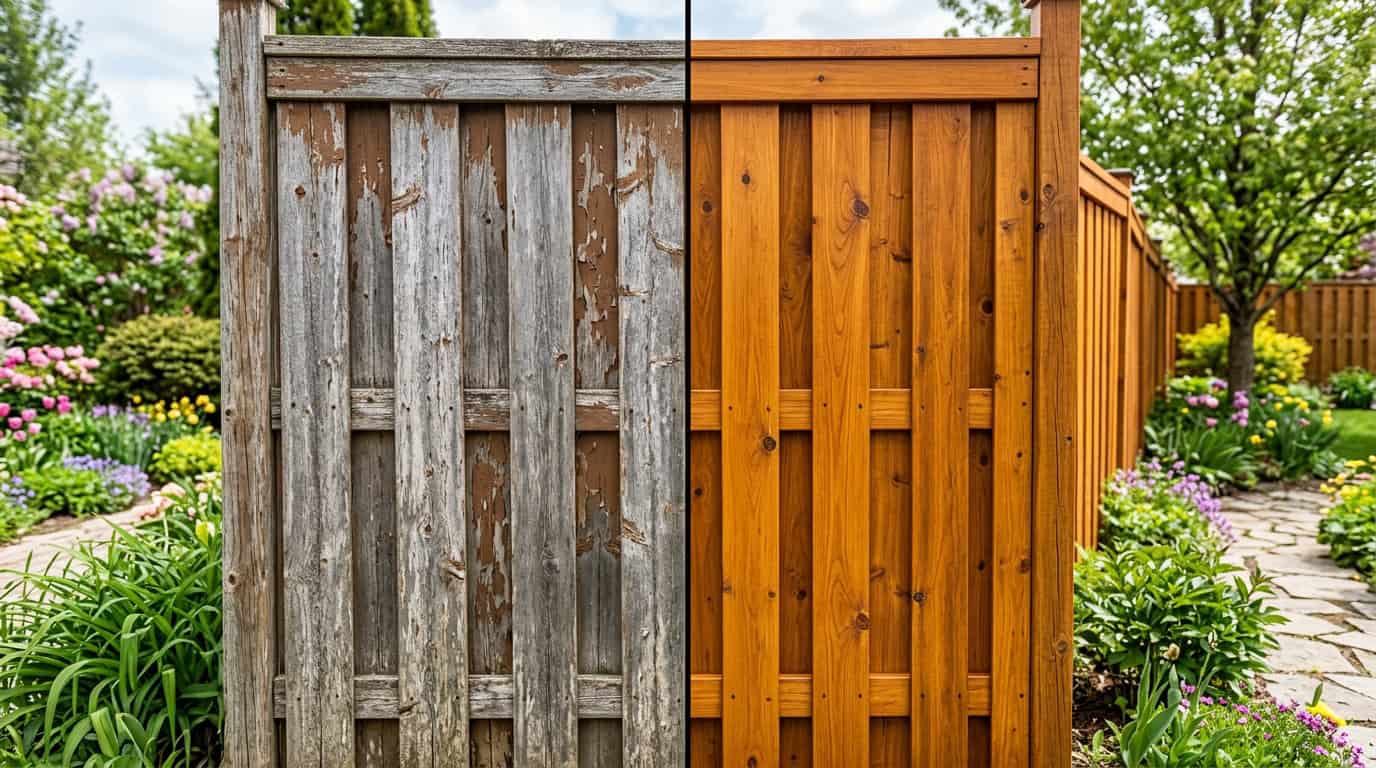
Meta: Discover expert tips to refresh your deck and fence this spring. Restore your outdoor space, remove splinters, and boost curb appeal!
Sprucing Up Your Fences & Decks For Spring
The exterior of your home is just as in need of some spring cleaning as the interior. Sprucing up your fences and decks can go a long way towards improving the overall look of your outdoor spaces and landscapes while simultaneously increasing the structures’ longevity.
While many of these recommendations fall into the DIY category, particularly for those who are handy, never hesitate to contact a licensed fence contractor if you’d like professional assistance. And, keep in mind, that for some fence or deck products, maintenance records from a licensed contractor can help to protect longer-term materials warranties.
Here are professional recommendations for restoring and revitalizing your fences and decks after the wear and tear from months of withstanding Bay Area winter weather.
Spring Fence Maintenance
If you did your part and honored our winter fence and deck maintenance checklist, you’ll know exactly what to do as you inspect your entire fence and fence materials, looking for obvious signs of damage, wear, and tear.
Seasonal maintenance keeps your fences functional and aesthetically pleasing. The first step is to perform a visual inspection.
Assessing Damage and Wear
The visual inspection allows you to assess visible damage or wear, typically resulting from harsh weather, falling debris, general decomposition due to age or weathre/sun exposure, and so on.
Note any areas where you see:
-
Visible damage.
-
Any stains or areas of discoloration.
-
Peeling paint or areas where sealant is obviously missing or wearing away.
-
Signs of mold or mildew.
-
Pest damage.
-
Knot holes in the slats (filling knot holes keeps your privacy fence private and also protects the fence from wood-boring pest infestations.
-
Loose boards.
-
Parts you need to repair or replace.
-
Rust.
-
Loose or damaged fasteners or attachments (like hinges, closures, etc.)
-
Areas with caked-on mud, dirt, or leaf/organic debris.
-
And so on.
Once you’ve listed the areas requiring extra attention, you can begin gathering the necessary tools and supplies.
Gathering Necessary Tools and Supplies
The tools and supplies required depend on what you discovered during the visual inspection.
Minor sprucing up and general cleaning may only require:
-
Gloves (to protect your hands from splinters or exposed nails/screw tips and for removing larger debris).
-
A soft cloth or two.
-
An outdoor broom.
-
A hose with a spray nozzle
-
Screwdriver to tighten loose screws.
-
A hammer for pounding back any loose nails.
-
Sealant or paint (ensuring the products you select are the ones recommended for the type of wood, by the materials’ manufacturers, or your licensed fence contractor.
-
Materials to apply sealant or paint.
-
Pressure washer (using a power washer can work wonders for making your fence more visually appealing).
-
Bucket, scrub brush, and mild soap (if you prefer to wash your fence by hand).
-
Safety glasses, gloves, pants, and close-toed shoes.
If serious maintenance is essential, due to missing or damaged boards or parts, you may need other tools or materials like:
-
Sandpaper and a power sander.
-
Matching fence boards or other materials.
-
Saw.
-
Replacement hardware.
-
Saws or other tools to cut/remove large branches or debris.
-
Fence posts and concrete or other materials to anchor them into the ground.
-
Extra nails and screws to replace missing or rusted ones, especially if nails/screws are missing from hinges and latches.
If fence repairs move into the replacement department, especially if fence posts or whole panels require replacing, we recommend scheduling a professional fence assessment from a local contractor to ensure the repair/replacements are built to last. Sometimes, the work required to revitalize your fence and deck after winter is so extensive that a full replacement makes more sense.
Cleaning Your Fence and Deck
The requirements for the cleaning and treatment of your fence and deck vary from season to season and location to location.
The first step is to remove any fallen branches, twigs, or other debris that may have landed on or around your fence or decks. You may also notice debris stuck between boards, in the corners of fence joints, or between fence boards. Removing these prevents them from rotting against your fence and deck materials, which speeds up their rate of decomposition. Also, as we head into the dry season, maintaining a debris-free fence and deck also keeps your property safer during fire season. Once the fence and deck are free of debris, you can begin a more detailed cleaning process.
In some cases, your fence and deck may only need a light sweeping and scrubbing of problem spots to enhance their aesthetic appeal. In other cases, caked-on mud, mold/mildew, or leaf debris may require a power washer for more thorough and efficient results.
Now your fence is ready for washing. You can use warm, soapy water and a brush, or a power washer. If you want your fence looking its best, we recommend purchasing a fence cleaner (available at local hardware and home improvement stores) to do the job. Give the fence plenty of time to dry before tackling any more fence and deck restoration tasks.
Refreshing Decks & Fences
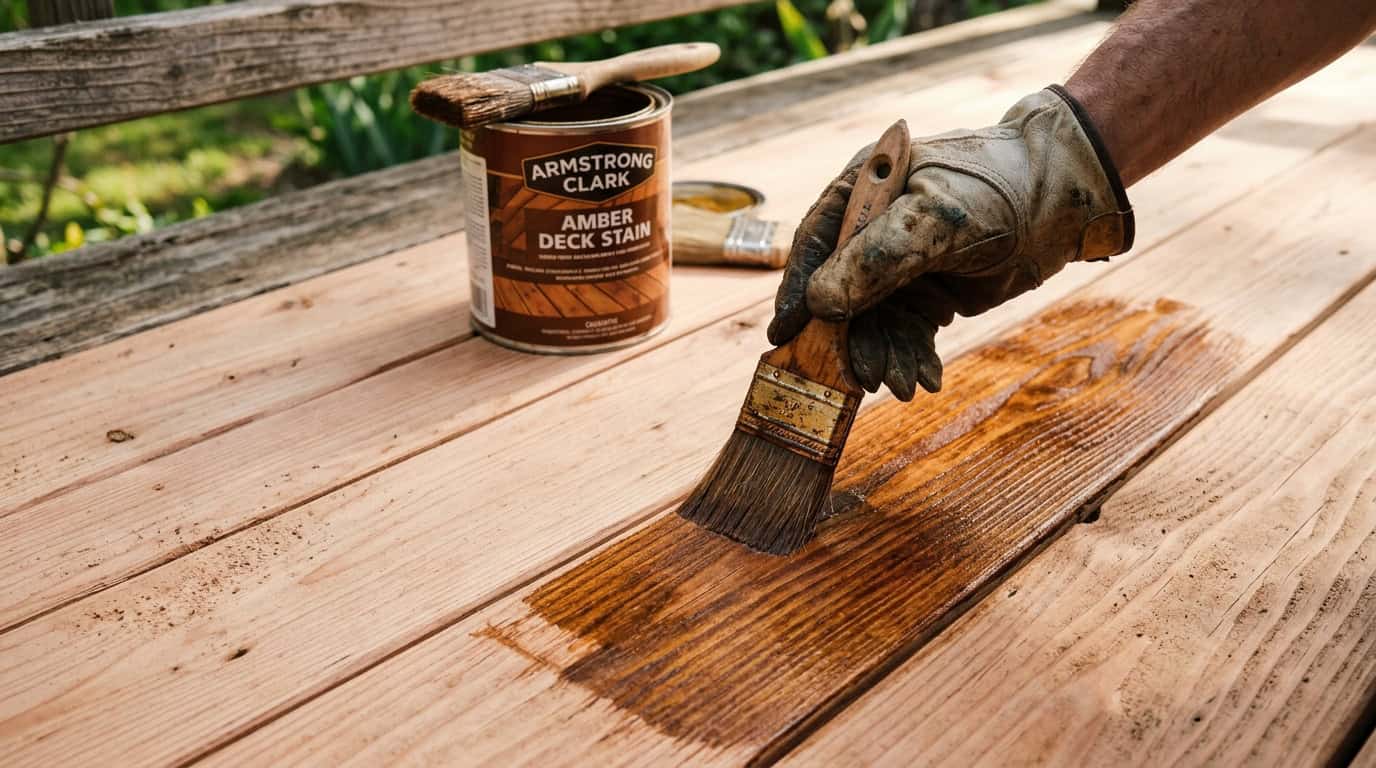
Once your fence and decks are clean and dry, you can continue refreshing them for spring by adding a fresh coat of stain or paint. This is a routine requirement for a well-maintained fence or deck.
In addition to ensuring they stay looking like new, applying a fresh coat of stain or paint acts as a sealer, protecting materials from moisture and UV sun damage .
Staining or Painting: Which is Right for You?
Staining or painting is a personal choice. If you’re interested in adding a bit of color to your outdoor space or you want to match fences and decks to your home’s architecture, paint may be the best option. Semi-transparent paints are also available, which provide color but allow wood grain, wood fibers, or other features to show through.
If you prefer a natural wood aesthetic but want to refresh and enhance the wood’s appearance, applying a protective stain is the way to go. This will protect your investment from exposure to the elements, including UV protection, while also minimizing signs of wear. Applying stain to your fence is akin to adding a protective seal to a favorite pair of leather work boots – resulting in a well-protected product and an optimized overall aesthetic.
Choosing the Right Coating for Your Fence
Refer to your materials manufacturer or your original fence contractor to ensure you choose the right coating for your fence. Coatings are material-specific. The only way to achieve long-lasting results is to match the coating to the materials. And remember, you get what you pay for, so it’s worth it to invest in high-quality products for optimal results. Plus, higher-quality products keep you from having to re-stain the fence more often.
Tips to Get Your Neighbor Onboard With Fence Refinishing
Depending on where the fence is located, it may require some collaboration with a neighbor. This is especially important if your fence is on a shared property line. Ideally, regular maintenance should be a shared process because what happens to support the beauty and function on one side of the fence should be done to the other.
Following these steps can help the conversation go more smoothly:
-
Start the conversation early. Begin talking to your neighbor about your plans for fence maintenance, repairs, or upgrades at least one to two months before you plan to start, so you have time to work out any issues.
-
Bring over any existing agreement documentation. If it’s been a while since either of you worked on the fence, bring any existing agreements or documentation as a refresher on who agreed to do what and how often. If you have a new neighbor, it’s time to draw up a fresh shared maintenance agreement.
-
Keep things light and positive. Help them remember that regular cleaning, maintenance, painting/staining, and minor repairs save you both thousands of dollars in the long run by reducing the need for more frequent major fence repair/replacement.
If your neighbor is not cooperative, or you’re struggling to agree on what work needs to be done or how to share expenses, you may need to consult with your local building department, a mediator, or legal advisors to move forward.
Boosting Curb Appeal With Decorative Elements & Greenery
Once you’ve allowed the new refinish coat to dry completely, you can consider adding decorative elements to upgrade its look even further.
This could include things like:
-
Using string lights to illuminate the top of the fence or gates/entryways.
-
Hanging outdoor art to decorate the panels.
-
Planting greenery around the fence perimeter to break up the visual monotony of the fence line (use native Bay Area landscape plants for water-saving and pollinator/bird-friendly benefits).
-
Add decorative, solar-powered lighting fixtures along the fence line or the top of the fence.
-
Offering a section of the interior fence panel to your children to paint and decorate on their own.
-
Hire a local artist to paint a mural or other design of your choosing on the inside of your fence (this is a great way to help make a small backyard feel more spacious).
These extra steps add charm and curb appeal.
Duce Construction Fence & Deck Offers Fence Restoration & Spring Deck Maintenance
When the weather warms up, it’s time to think about fence restoration and spring deck maintenance to get your outdoor spaces back into shape.
While these expert tips can get you started, you may find your maintenance projects require expertise from licensed Bay Area fence contractors who can get the job done quickly, efficiently, and for a reasonable cost. Contact Duce Construction Fence & Deck. We’ll provide a professional inspection and a list of our recommendations to keep your fence and decks looking their best for the upcoming summer season.